Essays on Early Communists

1 admirable thoughts


[En-US] 
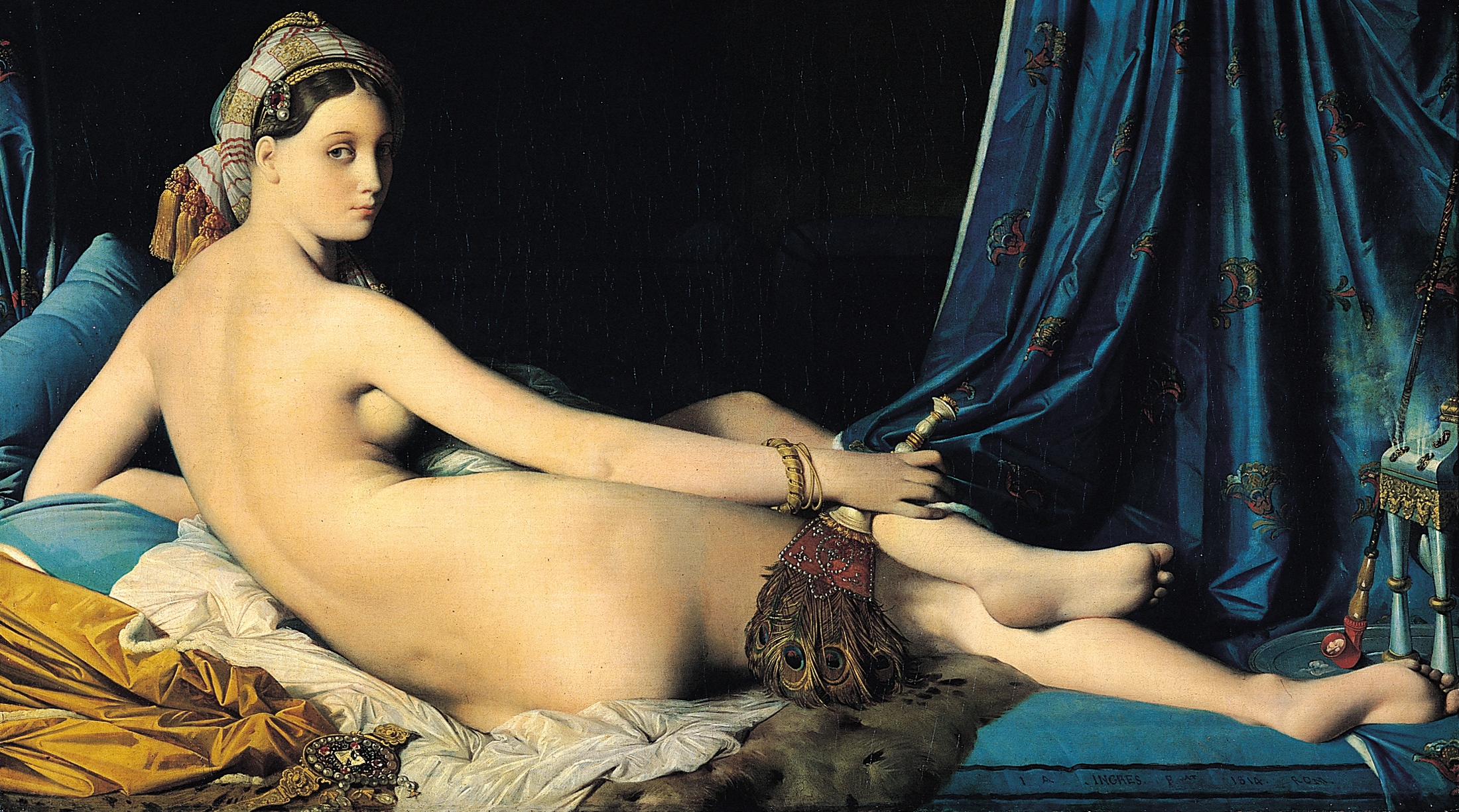
The very first Communists were early Slavic tribes who owned so little they had to share everything. They were renowned warriors, whose battle tactics consisted of getting as drunk as mortally possible, then drink twice as much more and charge at the enemy wielding a hammer in one hand and a sickle in the other. Even in these early times they were called the Red Army for their red faces (esp. noses).
Read more »

Essays on Icon

7 admirable thoughts


[En-US] 
On this post, I'll show how to change the blog's Favorite Icon, for those who don't know it yet. What is this Favorite Icon, you may ask. Usually called "favicon", it is simply the icon that appears when someone adds your site to his/her bookmarks. It also appears in tabs and at the URL box.

Favicons in tabs
So, if you are tired of that "B", here is the way to change it. First, choose your new icon. It can be a .ico, .png, .gif, whatever. People on the internet say it must be 16x16, .ico file. Nonsense. Here is mine, it is a 37x36, .png file. No problem at all:


Now that you have chosen your icon, you need to host it somewhere. I tried using imageshack.us, but it blocked the picture for everyone who didn't have a Image Shack account. So here is what I did: I just edited a random post of my blog and chose the option to insert a new picture, uploaded it, went to the HTML code of the post and copied the URL. If you're not sure where to find the URL, just upload the picture, save the post, go to its page, click on the picture that you posted and then copy the address.

Thirdly, get the following line of HTML code. Go to your blog's Options/Control Panel, click on Design, and then on the HTML tab. You'll need to paste it right before the </head>, so just press Ctrl+F and search for it. Now change the content on ICONPATH to the URL of your icon.
<link href='ICONPATH' rel='shortcut icon'/>
And that's all. Hope it worked.


[Pt-BR] 
Neste post, mostrarei como mudar o Favorite Icon do blog, para aqueles que ainda não sabem como fazê-lo. O que é o Favorite Icon, você pode vir a me indagar. Geralmente conhecido como "favicon", ele é simplesmente o ícone que aparece quando alguém adiciona seu blog aos favoritos. Ele também aparece em abas e na caixa da URL.

Favicons em abas
Então, se você está cansado daquele "B", aqui vai a maneira para alterá-lo. Primeiramente, escolha seu novo ícone. Ele pode ser um .ico, .png, .gif, tanto faz. Algumas pessoas na itnernet disseram que deveria ser um arquivo 16x16, .ico . Besteira. Aqui está o meu, ele é um arquivo 37x36, .png. Sem problema algum:


Agora que você já escolheu seu ícone, você precisa hospedá-lo em algum lugar. Eu tentei usar o  imageshack.us, mas ele bloqueava a imagem para todo que não tinham uma conta do Image Shack. Então o que eu fiz foi: eu editei uma postagem qualquer e usei a opção de Inserir Imagem, fiz o upload, fui no código HTML do post e copiei a URL. Se você não sabe identificar a URL no código, apenas faça o upload da figura, salve o post, vá à página dele, clique na figura recém-postada e copie o endereço.

Finalmente, copie a seguinte linha de código HTML. Vá até as Opções/Painel de seu blog, clique em Design,e depois na aba HTML. Você precisará colá-lo logo antes do </head>, então aperte Ctrl+F procure-o. Agura mude o conteúdo ENDERECO para a URL de seu ícone.
<link href='ENDERECO' rel='shortcut icon'/>
Isso é tudo. Espero que tenha funcionado.
Read more »

Essays on Spoilers

5 admirable thoughts

[En-US]
I just added a tool to help you readers. Since I write the text of some posts in both English and Portuguese, the page sometimes became huge and those who speak the language which text is located below usually start reading on a foreign language only to find out that there was a most comprehensive text below after they already finished reading.
So that's why I put these spoilers. They will become handy even with matters not related to language. I hope you enjoy it, even with its simple design. Also, I intend to keep the headlines in English (if, of course, the content is in English too).

For those who want to use it too, here is the simples tutorial I've used:
http://forum.lowyat.net/topic/698965


Eu acabo de adicionar uma ferramenta para ajudá-los, leitores. Como eu escrevo o texto de alguns posts em potuguês e em inglês, a página acaba ficando extensa e aqueles que falam a língua cujo texto está localizado mais para baixo geralmente começam a ler na língua estrangeira para só descobrirem que havia um texto mais compreensivo abaixo depois de acabarem de ler todo o texto.
Foi por isso que coloquei os spoilers. Eles podem até ser úteis em casos não relacionados a língua. Espero que vocês gostem, apesar do design simples. A propósito, eu pretendo manter as "manchetes" em inglês (apenas, é claro, o conteúdo também for em inglês).

Para aqueles que quiserem usá-lo também, aqui está o simples tutorial que segui:
http://forum.lowyat.net/topic/698965
Read more »

Essays on Feminazism I

4 admirable thoughts


[En-US]
Today I bring you a humankind-last-long dicussion. Men versus women.
Let's start from the very beginning, before the existance of homo sapiens. Mammals have two sexual chromosomes; female have XX; male, XY. The Y chromosome is actualy a mutation of the X one. Mutation is the basis of evolution. If no living being had mutated, we would not even been born. From now on, we can assume that men are the evolution of women. So basically, it only means that we are a different being. Since we have differences, we cannot be equal. Therefore, there is a natural sexual segregation; a natural sexism that defines what one or another gender can do best.

Well, what is the sexism?

sex·ism
[sek-siz-uhm]
–noun
  1. attitudes or behavior based on traditional stereotypes of sexual roles.
  2. discrimination or devaluation based on a person's sex, as in restricted job opportunities; especially, such discrimination directed against women.
 [1]

Since the first human civilizations, women were treated as inferior, held keptive in their homes, used as mere satisfaction objects, having no rights. Right? Wrong. Of course both genders weren't treated equally, but any woman had access to reading, painting, singing; she could complain with the authorities in case her husband was cheating on her; she could raise children, eat food and drink wine. There were poems, songs, paintings and stories made in the memory of lots of women.


Until recently, there was in fact a family structure that allowed only the father to decide with whom his daughter would be married to. So what? There is still a political structure that allows only the government to decide with whom we all can or cannot have sexual relations with. Homosexuals and pedophiles are treated differently, when they are actualy alike. But that's a topic for another dicussion.
Watch out for part II on Sexism.


[Pt-BR]
Hoje eu os trago uma dicussão que se estende desde o começo da humanidade. Homens contra mulheres.
Vamos partir do começo, antes da existência dos homo sapiens. Mamíferos possuem dois cromossomos sexuais; fêmeas tem XX; machos, XY. O cromossomo Y é, na verdade, uma mutação do X. Mutação é a base da evolução. Se nenhum ser vivo sofresse mutação, nós nem teríamos nascido. Doravante, podemos aceitar que homens são a evolução das mulheres. Basicamente, isso só significa que somos seres diferentes. Como temos diferenças, não podemos ser iguais. Portanto, existe uma segregação sexual natural; um sexismo natural que determina o que um ou outro pode fazer melhor.


E o que seria sexismo?

se.xis.mo, masculino
-pronome
  1. ato discriminante ou preconceituoso em função do sexo
  2. uso da distinção sexual (masculino vs. feminino) para elaborar um argumento
  3. associação de capacidades, atitudes, tendências ou disposições ao sexo de um indivíduo ou de um grupo
[2]

Desde as primeiras civilizações, mulheres foram tratadas inferiormente, trancadas dentro de casa, usadas apenas como meros objetos de satisfação, sem direitos. Certo? Errado. Claro que ambos os sexos não eram tratados igualmente, mas qualquer mulher tinha acesso a leitura, pintura, cantoria; ela poderia reclamar com as autoridades em caso de ser traída pelo marido; poderia ter e criar seus filhos, alimentar-se e beber vinho. Houve poemas, músicas, pinturas e história criadas em homenagem a várias mulheres.


Até recentemente, havia, de fato , uma estrutura familiar que permitia apenas o pai a escolher com quem sua filha se casaria. Mas e daí? Ainda há uma estrutura política que permite apenas o governo decidir com quem nós podemos manter relações sexuais. Homossexuais e pedófilos são tratados diferentemente, quando são, na verdade, afins. Mas isso é assunto para outra discussão.
Fique de olho para a parte II sobre o Sexismo.

Read more »

Essays on Poetry II

6 admirable thoughts
[En-US]
Wednesday has come again.
Under this delightful rain,
I shall feel no pain.


Read more »

Essays on Politics II

6 admirable thoughts
[En-US]
Serious business. Eyes wide open to what "they" are doing around there... Let's take a look on some headlines.


Tunisia's Ben Ali sentenced to jail in absentia

Read more »

Essays on Et Cetera I

9 admirable thoughts
[En-US]
In Et Cetera, I'll post links for different contents.

Putin going for a ride
Read more »
 

Copyright © 2010 • Essays on Logic • Design by Dzignine